Dive Destinations
Thailand Diving Guide: Regions, Seasons and Best Dive Sites
Where and when to dive Thailand — the Similan Islands and Richelieu Rock on the Andaman coast, Koh Tao and Sail Rock in the Gulf — with seasons and marine life.
- Region
- Andaman Sea & Gulf of Thailand
Thailand is where a huge share of the world’s divers get their start, and it is easy to see why: warm water, low prices, calm reefs, and an easy travel network. But there is far more here than entry-level diving. The Andaman coast holds granite-boulder scenery and the region’s best big-animal site, while the Gulf offers dependable diving almost year-round. The key to Thailand is that it has two coasts on two different monsoon clocks — get the coast right for your dates and the diving is excellent.
This guide covers both coasts, the all-important Similan Islands season, and the marine life and sites that define Thai diving. For a month-by-month view of how Thailand sits alongside its neighbors, see the Southeast Asia diving calendar, the parent guide to the whole region.
When to dive Thailand
Thailand’s two coasts run on opposite schedules. The Andaman coast in the west — the Similan Islands, Phuket, Phi Phi, Krabi, and far-south Koh Lipe — dives best from November to April, during the northeast monsoon, when the sea is calm and clear. The Gulf of Thailand in the east — Koh Tao and Koh Samui — is more forgiving, diveable most of the year and at its best from about February to September, with the wettest weather late in the year. The single most important planning fact is the Similan closure: the national park shuts from about 16 May to 14 October each year, so an Andaman trip has to fall in the open season. If you are travelling in the low season, switch to the Gulf.
Where to dive Thailand
The Similan Islands
Thailand’s world-class diving. This chain of granite islands in the Andaman Sea delivers dramatic boulder swim-throughs, white-sand slopes, and healthy reef, dived mostly by liveaboard out of Khao Lak, though day-trip speedboats reach the nearer sites. The park is open roughly mid-October to mid-May and enforces daily visitor caps; overnight stays on the islands have not been allowed since 2019, so trips are single days or liveaboards. Visibility is often at its best from February to April.
Richelieu Rock
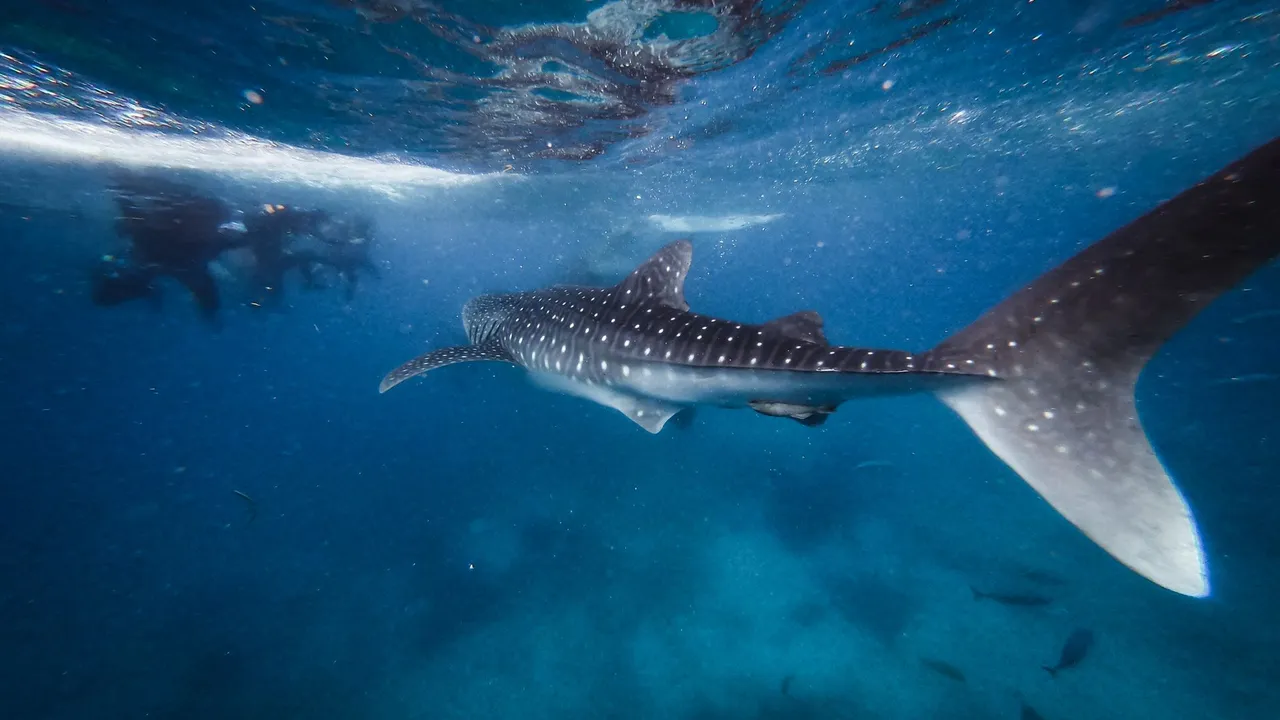
Usually dived as part of a northern Andaman liveaboard, Richelieu Rock is the finest single site in Thailand — a horseshoe-shaped limestone pinnacle covered in purple soft coral and swarming with fish. It is the country’s most reliable spot for whale sharks and mantas, which appear mainly from February to April, and it rewards a slow, macro-minded dive as much as a big-animal one.
Phuket, Phi Phi and Koh Lipe
The southern Andaman offers easier, resort-based diving. Phuket is the main gateway and a base for day trips and liveaboards; the limestone islands around Phi Phi combine reef, small wrecks, and leopard sharks on the sand; and far-south Koh Lipe, in the Tarutao National Park near the Malaysian border, has quiet, colorful reefs and a laid-back scene.
Koh Tao
The Gulf’s engine and the reason Thailand certifies so many divers. Koh Tao’s calm, shallow, inexpensive reefs and dozens of schools make it the training capital of the world, but it is also a pleasant place to dive for fun, with sites like Chumphon Pinnacle and Green Rock. It is diveable most of the year, which makes it the reliable low-season alternative to the Andaman.
Sail Rock
The signature site of the Gulf, roughly between Koh Tao and Koh Samui. Sail Rock is a pinnacle famous for a vertical swim-through chimney that runs from depth almost to the surface, ringed by schooling barracuda and big-eye trevally, with whale sharks passing through in the warmer months. It is a highlight dive for anyone based in the Gulf.
Marine life highlights
Thailand’s marine life leans reef and pinnacle rather than big pelagic, but the highlights are real. The Andaman brings whale sharks and mantas to Richelieu Rock in season, leopard sharks resting on the sand around Phi Phi, and healthy coral through the Similans. The Gulf offers whale sharks at Sail Rock in the warm months, plus the schooling barracuda, trevally, and grouper that gather on its pinnacles. Macro is good on both coasts, with seahorses, nudibranchs, and pipefish rewarding a careful eye, and the water is warm year-round.
Getting there and logistics
Access is straightforward. For the Andaman, fly into Phuket and transfer to Khao Lak for the Similan liveaboards, or dive directly from Phuket and Phi Phi. For the Gulf, most divers reach Koh Tao by flying to Koh Samui or Chumphon and taking a ferry. National-park fees for the Similans are usually included in tour and liveaboard prices. Because the two coasts are on opposite seasons, the simplest rule is to let your travel dates choose the coast rather than trying to dive both in one short trip.
Underwater photography in Thailand
From Richelieu Rock’s soft-coral walls to Koh Tao’s easy reefs, Thailand gives new and experienced photographers plenty to shoot — and, as everywhere, water strips warm color with depth and distance, so images need correcting afterward. It is worth understanding why underwater photos look blue before a trip and reviewing the best underwater photo editor options for the edit. Action-camera divers, common in Thailand, can read our GoPro and DJI Action guides, and see recoverable results in the before-and-after gallery.
In-depth dive site guides
For a closer look at Thailand’s headline sites, see the dedicated guides to the Similan Islands, the country’s world-class Andaman liveaboard diving; Richelieu Rock, its best big-animal pinnacle; and Koh Tao, the Gulf’s learn-to-dive capital that stays open when the Andaman coast closes.
For the wider picture, the Southeast Asia diving calendar shows how Thailand’s two coasts line up with the rest of the region, and the dive destinations hub collects every guide on the site.
Field notes
Frequently asked questions
When is the best time to dive in Thailand?
When are the Similan Islands open?
Is Thailand a good place to learn to dive?
Where can I see whale sharks and mantas in Thailand?
Do I need a liveaboard for the Similan Islands?
What is the signature dive in the Gulf of Thailand?
Can I dive Thailand year-round?
Keep exploring
Continue exploring
Best Time to Dive in Southeast Asia
The month-by-month diving calendar for the whole region, and how Thailand's two coasts fit the monsoon pattern.
Read moreIndonesia Diving Guide
Raja Ampat, Komodo, Lembeh and more — Indonesia's dive regions and when to visit.
Read moreMalaysia Diving Guide
Sipadan, the Perhentians and beyond, with seasons and the Sabah Parks permit system explained.
Read morePhilippines Diving Guide
Macro capitals, thresher sharks, and remote Tubbataha across the Philippine islands.
Read moreBrunei Diving Guide
Southeast Asia's quiet wreck destination — Dolphin 88, the Bolkiah, and oil-rig reefs, with almost no crowds.
Read moreHow to Restore Underwater Photos
Every way to bring natural color back, from in-camera technique to AI.
Read more