Dive Destinations
Diving the Similan Islands: Season, Sites and Liveaboards
A guide to diving Thailand's Similan Islands — the season and park closure, the granite dive sites, marine life, and how to dive them from Khao Lak.
- Region
- Andaman Sea, Thailand
The Similan Islands are Thailand’s world-class diving — a chain of granite islands in the Andaman Sea whose boulder-strewn reefs, swim-throughs, and clear water draw divers from around the world. Dived mostly by liveaboard out of Khao Lak, the Similans combine dramatic underwater scenery with the promise of big animals to the north, and they anchor the finest diving on Thailand’s west coast. The one thing every visitor has to plan around is the season, because the park closes for half the year.
This guide covers the season, the diving, the marine life, and how to reach it. For the wider country picture, see the Thailand diving guide.
When to dive the Similans
The Similan Islands National Park runs on a fixed calendar: open roughly mid-October to mid-May, and closed from about 16 May to 14 October each year for the monsoon and reef recovery. Exact dates move a little year to year, but the shape is dependable — an Andaman trip has to fall inside the open season. Within it, visibility and conditions are usually best from February to April, which is also the prime window for big animals. Overnight stays on the islands are not permitted, so trips are single days or liveaboards, and daily visitor caps mean peak dates fill early.
The diving
The Similans’ signature is granite: enormous smooth boulders stacked into arches, canyons, and swim-throughs, quite different from the coral bommies of the Coral Triangle. The western sites are boulder scenery, while the eastern sides tend to gentler coral slopes. A typical liveaboard works south to north through the park and often continues to Koh Bon, Koh Tachai, and the standout pinnacle of Richelieu Rock in the Surin area — which is where the mantas and whale sharks are most likely. Day trips from Khao Lak reach the nearer islands but not the northern highlights.
Marine life
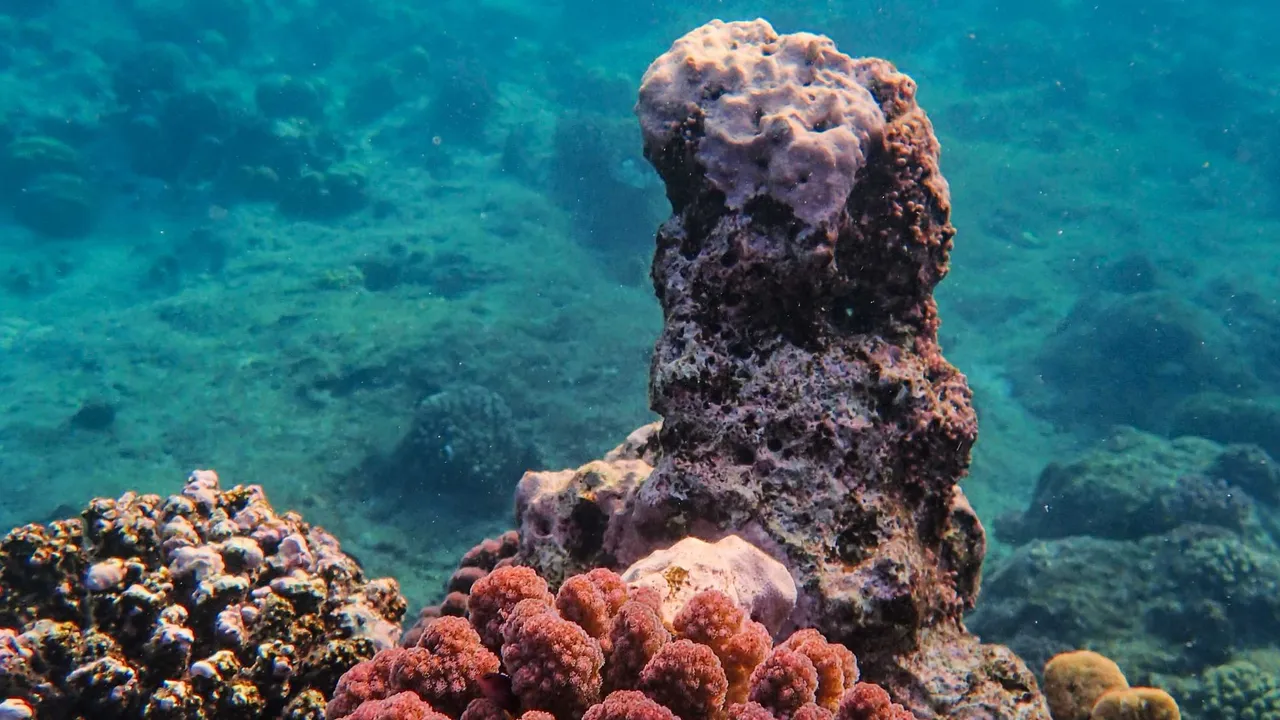
Expect healthy reef fish, hard and soft coral, and reliable smaller residents — leopard sharks resting on the sand, turtles, moray eels, and plenty of macro for those who look. The bigger drawcards live to the north: mantas and whale sharks pass through the Surin reefs and Richelieu Rock, mainly from February to April. Closer to the boulders, the appeal is scenery and abundance rather than a single headline species.
Who it suits
The Similans work for a broad range of divers. Many sites are gentle enough for newcomers, and it is a good place to build experience or take an Advanced course, though some sites carry current and the liveaboard format suits divers with at least a handful of dives. Operators match sites to the group, so mixed-ability trips are common.
Shooting the Similans
Granite scenery and blue water make the Similans a wide-angle destination, and as everywhere water strips warm color with depth and distance, so images need correcting afterward. It is worth understanding why underwater photos look blue and how to restore underwater photos. Action-camera divers can read our camera guides, and see the kind of color that comes back in the before-and-after gallery.
Plan your trip
For how the Similans fit the wider region, see the Thailand diving guide and the month-by-month Southeast Asia diving calendar. The full dive destinations hub collects every guide on the site.
Field notes
Frequently asked questions
When are the Similan Islands open for diving?
How do I dive the Similan Islands?
Can I stay overnight on the Similan Islands?
When is visibility best in the Similans?
What will I see diving the Similans?
Are the Similan Islands good for beginners?
Keep exploring
Continue exploring
Thailand Diving Guide
The country overview — both of Thailand's dive coasts and when to visit.
Read moreDiving Richelieu Rock
Thailand's best big-animal site, dived on the same northern Andaman liveaboards.
Read moreDiving Koh Tao
Thailand's certification capital in the Gulf, on the opposite monsoon clock.
Read moreBest Time to Dive in Southeast Asia
The month-by-month diving calendar for the whole region.
Read more