Dive Destinations
Diving Koh Tao: Thailand's Learn-to-Dive Capital
A guide to diving Koh Tao in the Gulf of Thailand — why it is the world's certification capital, the best dive sites, when to go, and how to get there.
- Region
- Gulf of Thailand
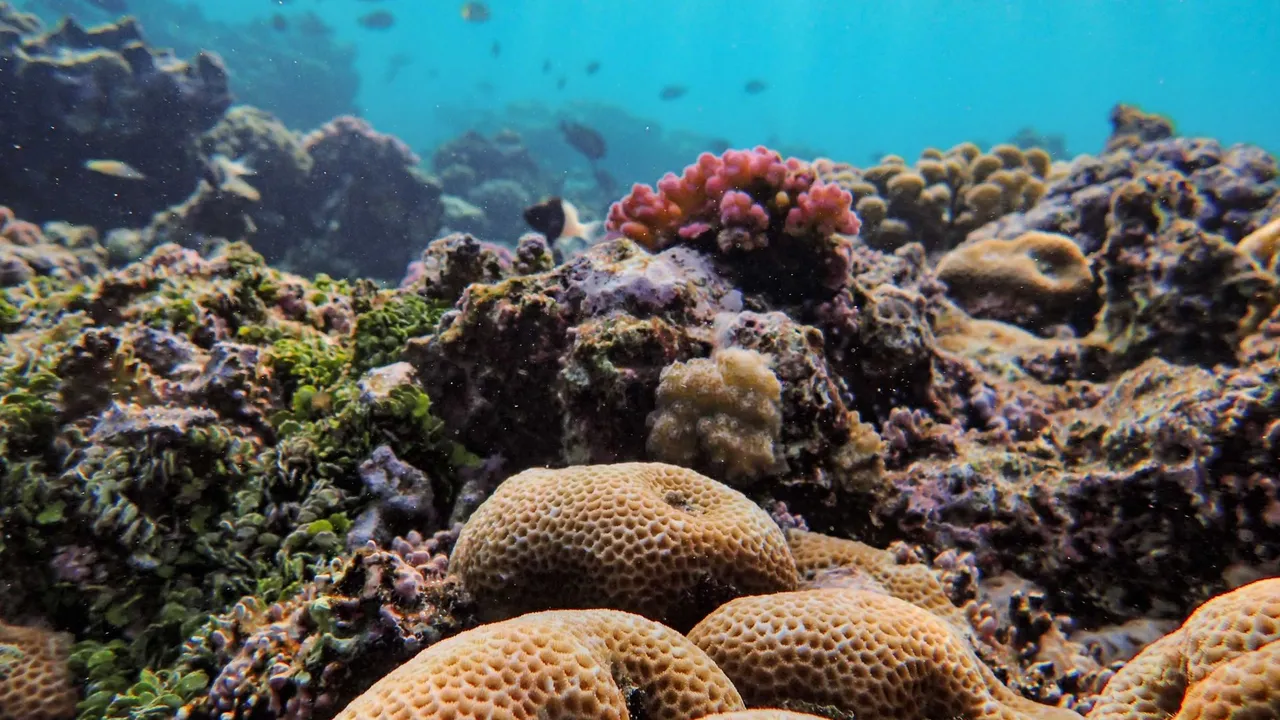
Koh Tao is where a huge share of the world’s divers take their very first breath underwater. This small island in the Gulf of Thailand has built its whole identity around scuba diving, and the combination of calm, shallow reefs, warm water, rock-bottom prices, and dozens of dive schools makes it the busiest learn-to-dive destination on the planet. But it would be a mistake to write it off as only a classroom — the pinnacles here offer genuinely enjoyable diving, and its Gulf location keeps it open when Thailand’s Andaman coast shuts for the monsoon.
This guide covers why Koh Tao is such a good place to learn, the diving, when to go, and how to reach it. For the wider country picture, see the Thailand diving guide.
The learn-to-dive capital
Koh Tao’s reputation is earned. Its sheltered bays are shallow, warm, and forgiving — close to ideal for a first Open Water course — and the sheer number of schools keeps prices among the lowest anywhere, without cutting the quality of instruction. For many travellers, Koh Tao is simply where you go to get certified before the rest of a Southeast Asia trip. If you want an easy, affordable, low-stress introduction to diving, few places do it better.
When to dive
Koh Tao is more forgiving than the Andaman coast and dives most of the year. Conditions are generally at their best from about February to September, with the wettest and roughest weather arriving late in the year. Crucially for trip planning, Koh Tao sits on the opposite monsoon clock to the Similans, so when the Andaman side closes from mid-May, the Gulf keeps diving — making Koh Tao the reliable low-season option in Thailand.
The dive sites
Beyond the training bays, Koh Tao’s pinnacles are the real diving. Chumphon Pinnacle is the marquee site — a granite tower rising from the depths, wrapped in schooling barracuda and trevally, with the occasional bigger visitor. Southwest Pinnacle and Green Rock are further rewarding fun dives, and the HTMS Sattakut, a purpose-sunk former navy vessel, gives the island a wreck. Best of all is Sail Rock, out toward Koh Samui: a pinnacle with a famous vertical swim-through chimney and the region’s most reliable big-fish action, including whale sharks in the warmer months.
Marine life
The diving is reef and pinnacle rather than big pelagic, but there is plenty to see — schooling barracuda and trevally on the pinnacles, groupers, reef fish, and good macro for those who slow down. Whale sharks pass through the Gulf seasonally and turn up around Koh Tao and Sail Rock in the warm months, a welcome bonus rather than a guarantee.
Getting there
Koh Tao is reached by ferry, usually after flying into Koh Samui or to Chumphon on the mainland. The island is compact and entirely oriented around diving, so once you step off the boat the schools, guesthouses, and dive sites are all within easy reach.
Shooting Koh Tao
Whether you are on your first dives or working the pinnacles, Koh Tao offers plenty to shoot — and as everywhere water strips warm color with depth and distance, so images need correcting afterward. It is worth understanding why underwater photos look blue and how to restore underwater photos. Our camera guides cover the gear, and the before-and-after gallery shows the results.
Plan your trip
For how Koh Tao fits the wider region, see the Thailand diving guide and the month-by-month Southeast Asia diving calendar. The full dive destinations hub collects every guide on the site.
Field notes
Frequently asked questions
Why is Koh Tao so popular for learning to dive?
When is the best time to dive Koh Tao?
What are the best dive sites at Koh Tao?
Can I see whale sharks at Koh Tao?
Is there good diving at Koh Tao beyond courses?
How do I get to Koh Tao?
Keep exploring
Continue exploring
Thailand Diving Guide
The country overview — both of Thailand's dive coasts and when to visit.
Read moreDiving the Similan Islands
Thailand's world-class Andaman diving, on the opposite monsoon clock.
Read moreDiving Richelieu Rock
Thailand's best big-animal site, on the Andaman coast.
Read moreBest Time to Dive in Southeast Asia
The month-by-month diving calendar for the whole region.
Read more