Dive Destinations
Philippines Diving Guide: Regions, Seasons and Best Dive Sites
Where and when to dive the Philippines — Anilao and Dauin macro, Malapascua's thresher sharks, Tubbataha and Coron's wrecks — with seasons and marine life.
- Region
- Coral Triangle
The Philippines packs an enormous range of diving into one archipelago of more than 7,000 islands. In a single trip you can photograph rare critters on a black-sand slope, watch thresher sharks rise from the deep at dawn, drift a coral wall thick with fish, and swim through a wartime wreck — often only a short flight apart. It is one of the most rewarding and affordable dive countries in Southeast Asia, and warm water and English spoken almost everywhere make it easy to travel.
This guide breaks the country down by what each region does best, when to go, and the marine life and access details that matter. For a month-by-month view of how the Philippines sits alongside its neighbors, see the Southeast Asia diving calendar, the parent guide to the whole region.
When to dive the Philippines
The country runs on the northeast monsoon, locally called the Amihan: from roughly November to May the eastern seaboard is dry, calm, and clear, and this is the prime dive window for most of the country. The southwest monsoon, the Habagat, brings the wet season from June to October, but the Philippines is large and sheltered sites still dive well then — you simply follow the calm coast. The one hard constraint is Tubbataha, which opens only from mid-March to mid-June.
Where to dive the Philippines
Anilao and Dauin
The macro capitals. Anilao, a few hours south of Manila, rivals anywhere on Earth for critter diversity and has become a major blackwater-diving destination, where divers drift over open water at night to photograph juvenile pelagic species. Dauin, on the south coast of Negros near Dumaguete, is its equal for muck, with easy shore access and neighboring Apo Island’s healthy reef a short boat ride away. Both are resort-based and good year-round.
Malapascua
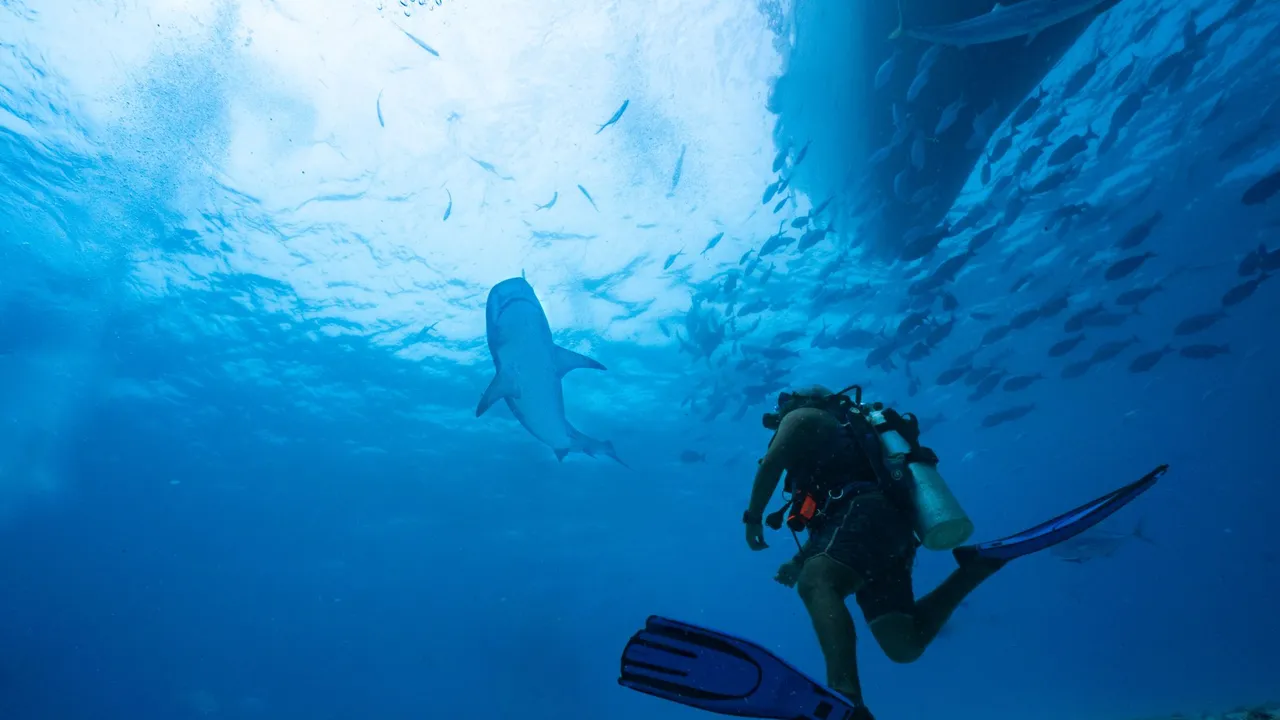
A small island off northern Cebu with a big claim: the most reliable daily thresher-shark encounters in the world. The sharks visit a cleaning station at Monad Shoal before sunrise, so the signature dive is an early, deep one. Malapascua also has good macro and, further out, the pelagic-rich Kimud and Gato sites. Sightings run year-round, best in the calm season of roughly October to May.
Tubbataha
The finest reef in the country and one of the best in the world — a remote UNESCO World Heritage Site in the middle of the Sulu Sea, reachable only by liveaboard. The season is short, mid-March to mid-June, and the diving is blue-water walls with grey reef sharks, turtles, schooling jacks and barracuda, and mantas and whale sharks around the Delsan Wreck in April and May. The crossing from Puerto Princesa takes ten to twelve hours, and the few liveaboards book out well ahead.
Coron and Apo Reef
Coron in northern Palawan is the country’s premier wreck-diving destination, with a fleet of Japanese ships sunk in 1944 lying in accessible, often shallow water — a mix of easy snorkel-depth wrecks and deeper technical dives. Nearby, Apo Reef (distinct from Apo Island) is the largest atoll-like reef in the country, remote and rich, dived by day boat or short liveaboard.
Puerto Galera and the Visayas
Puerto Galera on Mindoro combines macro, reef, and the current-swept pinnacle of Verde Island, one of the most fish-dense sites in the country. Across the central Visayas, Moalboal is known for a permanent sardine run right off the beach and easy reef, while Bohol’s Balicasag offers gentle walls and turtles — both excellent for beginners.
Whale sharks: Donsol and Oslob
The Philippines is a whale-shark destination, but the two best-known spots differ sharply. Donsol in Sorsogon offers a natural, seasonal boat-based encounter with migrating sharks from about November to June and is widely regarded as the responsible option. Oslob in southern Cebu has resident sharks year-round because they are hand-fed by boat operators — a practice many divers and conservation organizations avoid, since feeding alters the animals’ natural behavior.
Marine life highlights
Few countries offer this spread. Macro divers get some of the planet’s best critter diving in Anilao and Dauin, plus blackwater’s alien juveniles; shark and pelagic divers get Malapascua’s threshers and Tubbataha’s reef sharks, jacks, and seasonal whale sharks and mantas; and the reefs across the Visayas and Palawan hold healthy hard and soft coral, turtles, and the occasional big aggregation like Moalboal’s sardines. Water is warm year-round, typically in the high 20s Celsius.
Getting there and logistics
Most trips route through Manila or Cebu, then hop by short domestic flight and ferry to two or three bases. Anilao is a road transfer from Manila; Malapascua, Moalboal, and Bohol are reached via Cebu; Coron and Puerto Princesa (for Tubbataha) are flights into Palawan. Diving insurance is compulsory for Tubbataha and sensible everywhere. Because the country is spread out, plan realistic travel days between regions rather than trying to see everything in one trip.
Underwater photography in the Philippines
With so much macro and such active reefs, the Philippines is a photographer’s country — and, as everywhere, water drains warm color with depth and distance, so images need correcting afterward. It helps to understand why underwater photos look blue before a trip, and how to restore underwater photos once home. Action-camera divers can read our GoPro and DJI Action color-correction guides, and see the kind of color that is recoverable in the before-and-after gallery.
In-depth dive site guides
For a closer look at the country’s headline sites, see the dedicated guides to Tubbataha, the finest reef in the country and a liveaboard-only trip from Palawan; Anilao, the macro and blackwater capital a short drive from Manila; Malapascua and its daily thresher sharks off northern Cebu; and Coron, the WWII wreck-diving hub in Palawan.
For the wider picture, the Southeast Asia diving calendar shows how the Philippines’ seasons line up with the rest of the region, and the dive destinations hub collects every guide on the site.
Field notes
Frequently asked questions
When is the best time to dive in the Philippines?
Where can I see thresher sharks in the Philippines?
When can I dive Tubbataha?
Which Philippine destination is best for macro photography?
Should I dive with whale sharks at Oslob?
Where can beginners dive in the Philippines?
Do I need a liveaboard to dive the Philippines?
Keep exploring
Continue exploring
Best Time to Dive in Southeast Asia
The month-by-month diving calendar for the whole region, and how the Philippines fits the wider monsoon pattern.
Read moreIndonesia Diving Guide
Raja Ampat, Komodo, Lembeh and more — Indonesia's dive regions and when to visit.
Read moreMalaysia Diving Guide
Sipadan, the Perhentians and beyond, with seasons and the Sabah Parks permit system explained.
Read moreThailand Diving Guide
The Similan Islands, Koh Tao, and both of Thailand's dive coasts by season.
Read moreBrunei Diving Guide
Southeast Asia's quiet wreck destination — Dolphin 88, the Bolkiah, and oil-rig reefs, with almost no crowds.
Read moreWhy Underwater Photos Look Blue
The science behind the blue-green cast, and why water steals warm color with depth and distance.
Read more