Dive Destinations
Diving Tubbataha Reefs: Season, Liveaboards and Marine Life
A guide to diving Tubbataha — the short liveaboard-only season, the best dive sites, the sharks and mantas, and how to reach this remote UNESCO reef.
- Region
- Palawan, Philippines
Tubbataha is the finest reef in the Philippines and one of the best in the world — a remote UNESCO World Heritage Site in the middle of the Sulu Sea, reachable only by liveaboard for a few months each year. Its isolation is the whole story: far from any coast, fishing, or development, it has stayed as close to pristine as a coral reef gets, and the diving is blue-water walls thick with sharks and fish. Getting there takes commitment and planning, and every diver who makes the trip comes back understanding why.
This guide covers the short season, how to reach the reef, the diving, and the marine life. For the wider country picture, see the Philippines diving guide.
When to dive Tubbataha
The season is brief and fixed by nature: roughly mid-March to mid-June, the calm-weather window when the Sulu Sea is settled enough for the long open-water crossing. Outside those months the park is closed and the seas are too rough, so there is no flexibility — an itinerary has to fall inside the window. Exact opening dates shift slightly year to year with the weather, and the peak of the season, around April and May, brings the best chance of whale sharks and mantas.
How you dive it
Tubbataha is liveaboard-only. There is no resort, no day-boat access, and no land to stay on — just the reef and a ranger station on the North Atoll. Trips leave from Puerto Princesa, the capital of Palawan, and the crossing takes ten to twelve hours of overnight sailing before you reach the atolls. Boats run roughly five to seven nights, and because only a handful visit in such a short season, cabins book out far ahead; six to nine months of lead time is normal. Dive insurance is compulsory.
The diving and marine life
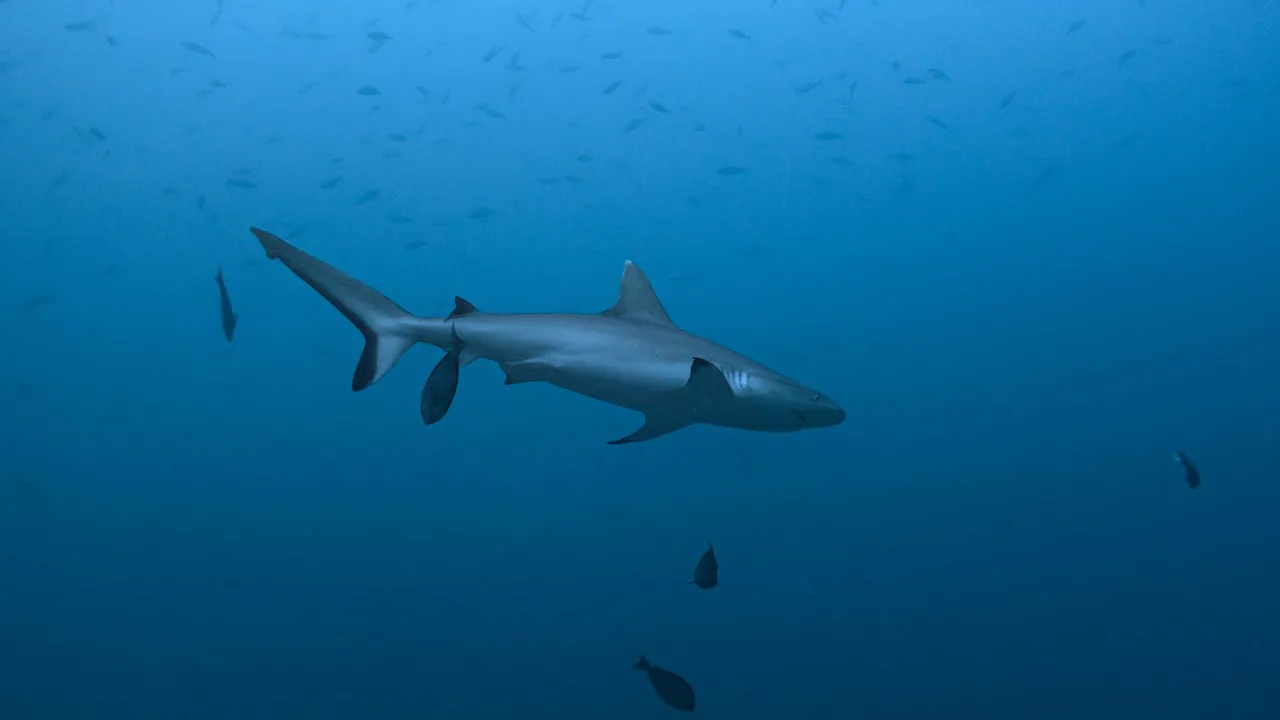
The park is two large atolls — North and South — plus the smaller Jessie Beazley Reef, and the diving is defined by steep walls dropping into deep blue and drift dives along them. Grey reef and whitetip sharks patrol the drop-offs, turtles are common, and vast schools of jacks, barracuda, and snapper gather on the reef tops. The coral cover is exceptional, among the healthiest anywhere. The Delsan Wreck is the site to watch for big animals: manta rays and whale sharks pass through, especially in April and May. It is not a macro destination — Tubbataha is about scale, current, and big blue-water life.
Who it suits
This is diving for the intermediate diver and up. The walls, the current, and the open-water setting reward good buoyancy and composure; there are no shallow, sheltered training sites here. Confident newer divers manage it well with attentive guiding, but Tubbataha is a destination you travel to once you have some experience, not a place to build it.
Shooting Tubbataha
Tubbataha is wide-angle country — walls, sharks, and schooling fish against the blue — and, as everywhere, water strips warm color with depth and distance, so images need a color pass afterward. It helps to understand why underwater photos look blue and how to restore underwater photos before a trip. Action-camera divers can read our camera guides, and see the kind of color that comes back in the before-and-after gallery.
Plan your trip
For how Tubbataha fits the wider region, see the Philippines diving guide and the month-by-month Southeast Asia diving calendar. The full dive destinations hub collects every guide on the site.
Field notes
Frequently asked questions
When can I dive Tubbataha?
How do I dive Tubbataha?
Is Tubbataha suitable for beginner divers?
What will I see diving Tubbataha?
How far is Tubbataha from land?
Do I need diving insurance for Tubbataha?
Keep exploring
Continue exploring
Philippines Diving Guide
The country overview — every Philippine dive region and when to visit.
Read moreDiving Malapascua
The Philippines' reliable daily thresher sharks, off northern Cebu.
Read moreManta Rays
The gentle giants that gather at Tubbataha's Delsan Wreck in April and May.
Read moreBest Time to Dive in Southeast Asia
The month-by-month diving calendar for the whole region.
Read more