Dive Destinations
Diving Coron: WWII Wrecks and Palawan's Sunken Fleet
A guide to wreck diving in Coron — the WWII Japanese fleet sunk in 1944, the best wrecks, Barracuda Lake, when to go, and how to reach it in Palawan.
- Region
- Palawan, Philippines
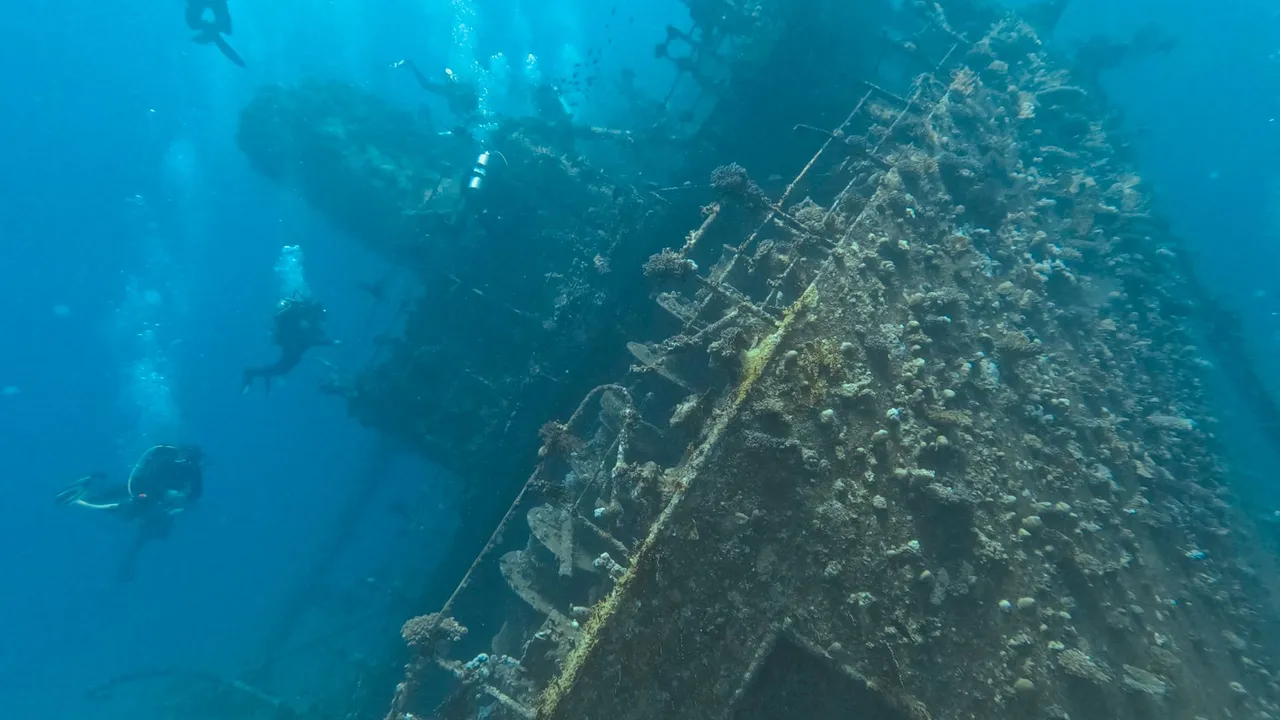
Coron is the Philippines’ great wreck-diving destination, and one of the best in the world. Beneath the sheltered bays of northern Palawan lies a fleet of Japanese ships sunk in a single US air raid in September 1944, now transformed by eighty years underwater into coral-covered, fish-filled dive sites. What makes Coron special is the range: some wrecks sit shallow enough to snorkel, others plunge deep enough to challenge technical divers, and all of them carry the eerie atmosphere of a wartime fleet at rest.
This guide covers the wrecks, Barracuda Lake, when to go, and how to reach it. For the wider country picture, see the Philippines diving guide.
The sunken fleet
On 24 September 1944, US carrier aircraft caught a Japanese supply fleet sheltering around Coron and sent much of it to the bottom. The result, decades on, is a cluster of large wrecks in relatively shallow, protected water. The Irako, a refrigeration ship sitting deeper, is a favourite for its intact structure; the Okikawa Maru is a huge tanker you can swim the length of; and the Akitsushima, a seaplane tender, still shows its aircraft crane. Shallower wrecks like the Olympia Maru and Morazan Maru are within easy recreational range, their upper decks alive with coral and schooling fish. Penetration is possible on several, but only with the right training.
When to dive Coron
Coron dives well year-round. The driest, calmest, and clearest conditions run from roughly October or November to May, which is the most popular window, but because the wrecks lie in sheltered bays, diving continues through the wetter months with more variable visibility. The wrecks themselves do not have a season — it is the surface weather and water clarity that shift.
Barracuda Lake
Coron’s other signature dive is not a wreck at all. Barracuda Lake, reached by a short scramble over rocks near town, is a brackish lake where divers descend through startling thermoclines — sharp layers where the temperature can leap well above 38 degrees Celsius as you pass from one water mass to another. The underwater scenery is canyon-like rock rather than reef, and the sensation of swimming through shimmering, bath-warm layers makes it one of the most memorable dives in the area.
Who it suits
Coron genuinely spans the range. Recreational divers have plenty of shallow wreck to explore, and snorkelers can float over the tops of the shallowest hulls. The deeper wrecks and any penetration diving reward advanced and technical certification. That breadth is part of the draw — a mixed group can dive the same fleet, each to their own level.
Shooting Coron
Wrecks are challenging, atmospheric subjects — low light, large structures, and often particulate water — and, as everywhere, water strips warm color with depth and distance, so images need correcting afterward. It is worth understanding why underwater photos look blue and how to restore underwater photos. Our camera guides cover the gear, and the before-and-after gallery shows the results.
Plan your trip
For how Coron fits the wider region, see the Philippines diving guide and the month-by-month Southeast Asia diving calendar. The full dive destinations hub collects every guide on the site.
Field notes
Frequently asked questions
What is Coron known for?
Which wrecks can I dive at Coron?
Do I need technical certification to dive Coron?
When is the best time to dive Coron?
What is Barracuda Lake?
How do I get to Coron?
Keep exploring
Continue exploring
Philippines Diving Guide
The country overview — every Philippine dive region and when to visit.
Read moreDiving Tubbataha
The Philippines' finest reef, also reached from Palawan.
Read moreDiving Malapascua
The Philippines' reliable daily thresher sharks, off northern Cebu.
Read moreBest Time to Dive in Southeast Asia
The month-by-month diving calendar for the whole region.
Read more