Dive Destinations
Malaysia Diving Guide: Sipadan, Seasons and Best Dive Sites
Where and when to dive Malaysia — legendary Sipadan and Sabah's macro islands, plus the peninsular east coast — with the permit system, seasons and marine life.
- Region
- Coral Triangle
Malaysia splits neatly into two dive worlds, and understanding the difference is most of the planning. Off the coast of Sabah in Malaysian Borneo sits Sipadan — an oceanic island that regularly makes lists of the best dives in the world — surrounded by a cluster of muck-diving islands in warm, year-round water. On the other side of the country, the peninsular east-coast islands offer some of the cheapest, gentlest learning diving in the region, but only for part of the year. Pick the right side of Malaysia for your dates and you will rarely be disappointed.
This guide covers both coasts, the all-important Sipadan permit system, and the marine life and seasons that shape a trip. For a month-by-month view of how Malaysia sits alongside its neighbors, see the Southeast Asia diving calendar, the parent guide to the whole region.
When to dive Malaysia
Sabah, home to Sipadan, sits in the sheltered Celebes Sea and dives well all year, with the calmest and clearest conditions from March to October. The peninsular east-coast islands sit in the South China Sea and follow a stricter clock: they close during the northeast monsoon — roughly November to February — and dive best from March to October, when the sea is flat and visibility opens up. If your dates fall in the northern winter, Sabah is the answer.
Where to dive in Malaysia
Sipadan
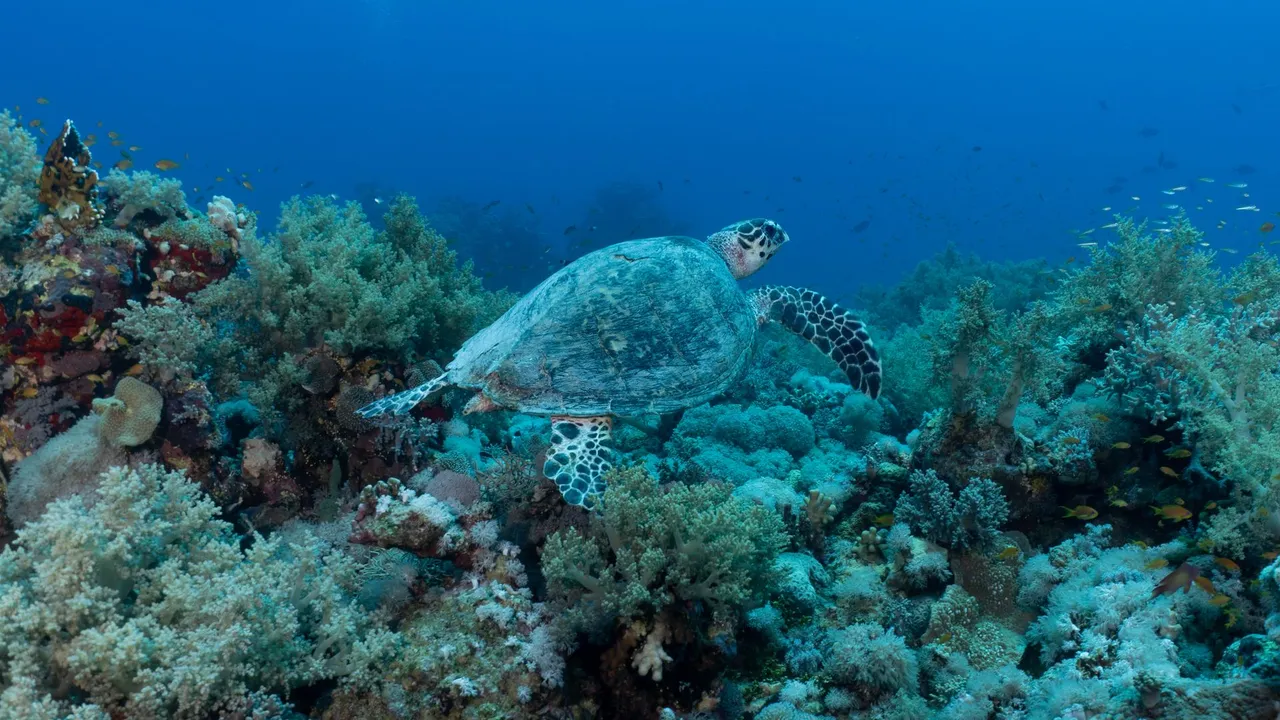
The reason most divers come to Malaysia. Sipadan is the country’s only true oceanic island, an extinct volcanic cone that drops about 600 metres straight to the seabed, and that dramatic topography concentrates marine life in a way few sites match. Green and hawksbill turtles are so common you stop counting; a resident school of barracuda swirls into a slow tornado at Barracuda Point; big-eye trevally ball up in the blue; and grey reef and whitetip sharks patrol the wall. Because it is strictly protected, access is limited and controlled — see the permit section below.
Mabul and Kapalai
The islands you actually stay on, and destinations in their own right. Relocated dive resorts moved here after Sipadan’s accommodation was removed for conservation, and the shallow sand and artificial structures around Mabul and Kapalai turn out to be superb muck diving. Night dives bring out mandarinfish, flamboyant cuttlefish, frogfish, ghost pipefish, and blue-ringed octopus. Photographers routinely rate the critter diving here as highly as the big-animal action at Sipadan.
The peninsular east coast
On the other side of the country, the Perhentian Islands, Tioman, and Redang are the region’s classic beginner destinations — warm, shallow, calm, and inexpensive, with easy reefs and plenty of dive schools. They are ideal for a first certification or a relaxed few days, provided you visit in the March-to-October window before the monsoon closes them.
Layang-Layang
For experienced divers with time, the remote atoll of Layang-Layang, far out in the South China Sea and reached by a dedicated flight, is known for steep walls and schooling hammerheads in season (roughly March to May). It is a specialist trip rather than a casual add-on.
The Sipadan permit system
This is the single most important thing to understand before booking. You cannot simply turn up and dive Sipadan. Sabah Parks controls access through a limited daily quota — on the order of a couple hundred permits a day — and those permits go only to licensed dive operators, never to individuals. You secure one by booking a dive package with a resort or operator on Mabul, Kapalai, or in Semporna, and each operator distributes its small allocation among guests, almost always by a rotation that rewards longer stays.
The practical consequences are worth planning around. Book at least three nights, and ideally four or five, since diving is not done on arrival or departure day and longer stays meaningfully raise your odds of multiple Sipadan days. Book early — six to twelve months ahead for the peak months of April to August. You will also need an Advanced Open Water certification or equivalent, a requirement since October 2022 that operators check at registration. And note the calendar: Sipadan closes for the whole of November each year for reef recovery, reopening on 1 December, though Mabul and Kapalai dive throughout.
Marine life highlights
Sabah offers a rare combination of big animals and small critters within a single trip. Sipadan delivers the wide-angle spectacle — turtles, barracuda and trevally schools, reef sharks, and the occasional pelagic surprise — while Mabul and Kapalai supply world-class macro just a few minutes’ boat ride away. Green turtles nest in the area, and the reefs are healthy enough that turtle and shark encounters are close to guaranteed. On the peninsula, the diving is gentler and reef-focused, with the appeal being easy conditions rather than headline species.
Underwater photography in Malaysia
Sabah’s mix of subjects makes it a photographer’s favorite, but the same rule applies as everywhere: water strips warm color with depth and distance, so images need correcting afterward. It is worth understanding why underwater photos look blue before a trip and reviewing the best underwater photo editor options for the edit. Action-camera divers can read our GoPro and DJI Action guides, and see recoverable results in the before-and-after gallery.
In-depth dive site guides
For a closer look at Malaysia’s flagship site, read the full guide to diving Sipadan. For the wider picture, the Southeast Asia diving calendar shows how Malaysia’s two coasts line up with the rest of the region, and the dive destinations hub collects every guide on the site.
Field notes
Frequently asked questions
When is the best time to dive in Malaysia?
How do I get a Sipadan diving permit?
Do I need a certification to dive Sipadan?
Is Sipadan open all year?
What is there to see at Sipadan?
Is Mabul worth diving on its own?
Where can beginners dive in Malaysia?
Keep exploring
Continue exploring
Best Time to Dive in Southeast Asia
The month-by-month diving calendar for the whole region, and how Malaysia's two coasts fit the monsoon pattern.
Read moreIndonesia Diving Guide
Raja Ampat, Komodo, Lembeh and more — Indonesia's dive regions and when to visit.
Read morePhilippines Diving Guide
Macro capitals, thresher sharks, and remote Tubbataha across the Philippine islands.
Read moreThailand Diving Guide
The Similan Islands, Koh Tao, and both of Thailand's dive coasts by season.
Read moreBrunei Diving Guide
Southeast Asia's quiet wreck destination — Dolphin 88, the Bolkiah, and oil-rig reefs, with almost no crowds.
Read moreHow to Restore Underwater Photos
Every way to bring natural color back, from in-camera technique to AI.
Read more